Wondering whether a condo or townhome in Riverside is the right fit for your next move? You are not alone. Attached housing can offer a more manageable footprint, shared amenities, and a different maintenance setup than a detached home, but the details matter more than many buyers expect. If you understand how ownership, HOA rules, and monthly costs work in Riverside, you can make a smarter decision with fewer surprises. Let’s dive in.
Why attached housing matters in Riverside
Riverside describes itself as the largest city in the Inland Empire, with a planning environment that includes diverse housing stock, growth, and investment. That matters if you are considering a condo or townhome, because attached housing is a meaningful part of the local market.
In Riverside, these homes are not just a style choice. They are also tied to a specific legal and planning setup. The City points buyers to its zoning and subdivision rules and notes that its interactive zoning map is for reference only, which means current land use and zoning questions should be confirmed with Planning when a property raises questions.
Condos vs. townhomes in California
A townhome may describe the style
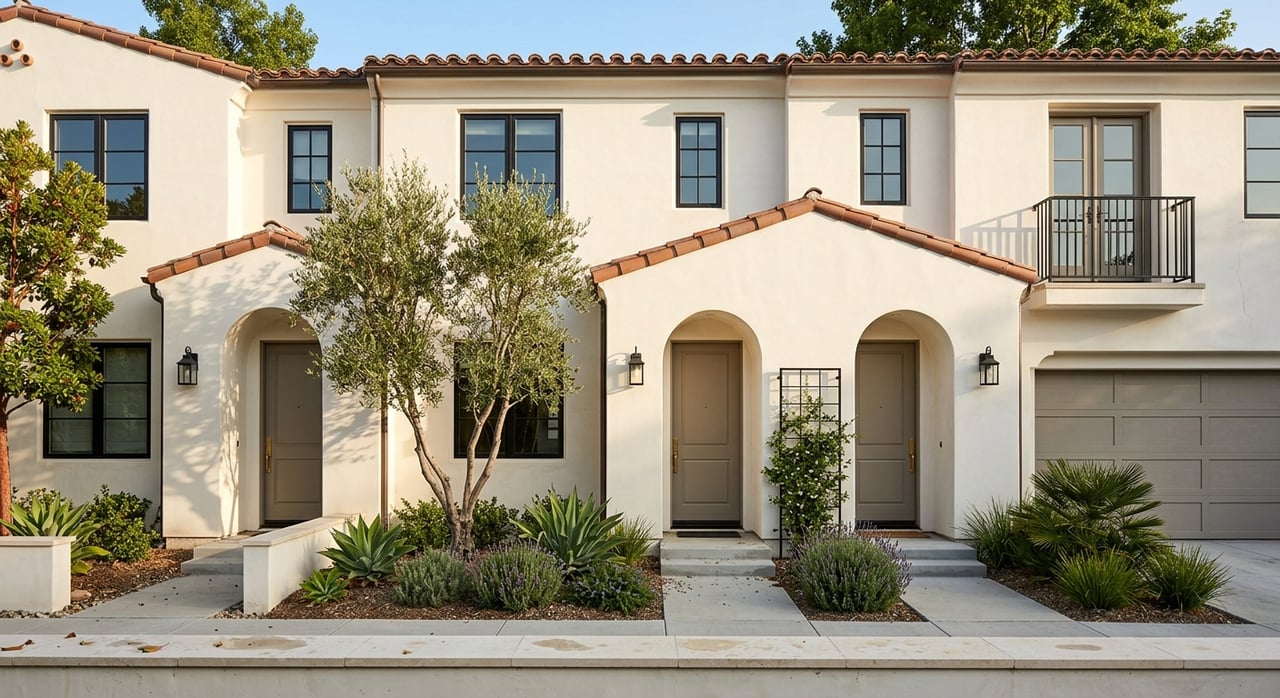
In California, “townhome” often refers to the building form rather than the legal ownership structure. A townhome may be a two- or three-story attached home with shared walls and a private entry, but that does not automatically tell you how ownership is recorded.
That is why two homes that look similar can operate differently on paper. One may be legally organized as a condominium project, while another may be part of a planned development.
A condo describes ownership rights
In a condominium project, you generally own your individual unit plus an undivided interest in the common area. Depending on the recorded documents, common area can also include exclusive-use spaces such as patios, driveways, or parking spaces.
Planned developments often look more like standard subdivisions, but they can still include HOA-owned or HOA-maintained property such as private streets or shared amenities. In other words, the way a home looks and the way ownership is structured are not always the same thing.
What this means in Riverside
For Riverside buyers, the safest way to think about attached housing is this: condos and townhomes can range from smaller one-level units to multi-story homes with shared walls, balconies or patios, garages, and common amenities. The exact layout, ownership rights, and maintenance responsibilities depend on the project documents, not just the listing description.
That is one reason why reading the HOA documents carefully is so important before you commit.
How HOA living works
HOA membership is automatic
When you buy into a common-interest development in California, membership in the homeowners association is automatic. That means the HOA becomes part of your ownership experience from day one.
The association operates under recorded governing documents, including the CC&Rs. These documents set the ground rules for the community and explain important details about common areas, assessments, insurance issues, and architectural controls.
The board manages the community
Even if a management company handles day-to-day tasks, the HOA board is ultimately responsible for collecting money, paying bills, and managing the association. For you as a buyer, that means the health of the HOA is not just about appearance. It also reflects budgeting, maintenance planning, and decision-making.
A well-run association can help preserve the condition of shared property and create a smoother ownership experience. A poorly managed one can lead to frustration, deferred maintenance, or surprise costs.
Rules are part of the package
Many attached-home communities have rules on parking, balcony items, landscaping, pets, rentals, and exterior changes. If you plan to make updates outside your unit, you should expect some type of architectural review process.
This is not necessarily a bad thing. It simply means you need to know the rules before buying, especially if you value flexibility or already have plans for changes.
Who maintains what
Common area vs. separate interest
Under California Civil Code section 4775, the association is generally responsible for repairing, replacing, and maintaining the common area. The owner is generally responsible for the separate interest.
That sounds simple, but real life can be more detailed. Exclusive-use common areas, such as certain patios, driveways, or parking areas, may be handled differently depending on the community’s declaration.
Why the documents matter
Two Riverside communities can have very different maintenance setups even if the homes look alike from the street. In one project, the HOA may handle roofs, exterior walls, and landscaping. In another, some of those items may fall partly on the owner.
That is why one of the most important questions you can ask is: what exactly does the HOA maintain, and what is your responsibility as the owner?
Interior issues usually stay with the owner
In general, interior problems are the owner’s responsibility, while common-area issues go to the board or management company. If something affects a shared system or common area, the HOA may be involved. If it is inside your separate interest, it is more likely your issue to handle.
Because each project can define responsibilities differently, buyers should rely on the actual recorded documents for that community.
Understanding monthly HOA costs
What assessments usually cover
Regular HOA assessments typically cover day-to-day operations and reserve funding. That can include maintenance of common areas, management, and planning for future repair or replacement of major components.
The monthly number matters, but what matters even more is what you receive in return. A lower HOA fee is not always better if the association is underfunded or pushing needed repairs into the future.
Special assessments can happen
The California DRE notes that special assessments may be used for major repairs, replacement, or unexpected expenses. If reserve funds are not enough, owners may face added costs beyond their regular dues.
That is one of the biggest tradeoffs with condo and townhome living. You may have less exterior maintenance to handle personally, but you also share financial responsibility for the community.
Reserve health matters
California Civil Code section 5550 requires a visual reserve inspection at least every three years, along with annual board review and a reserve funding plan for major components. For buyers, this is useful because it gives you a window into how the HOA plans for future expenses.
A current reserve study can help you understand whether major items are being funded responsibly. If major components are underfunded, future dues increases or special assessments may be more likely.
Who often considers condos and townhomes
Attached housing often becomes more appealing when detached home prices rise. According to the DRE, these homes can act as a substitute product for detached housing in that kind of market.
In practice, that often makes condos and townhomes worth a closer look for first-time buyers, downsizers, and some investors. They may offer a smaller footprint, shared amenities, and less exterior maintenance than a detached home.
That said, the right fit depends on your goals. If you want lower exterior upkeep and are comfortable with HOA rules and dues, attached housing may be a strong option. If you want more control over exterior changes and fewer shared obligations, a detached home may feel like a better match.
Questions to ask before you make an offer
Before you move forward on a Riverside condo or townhome, it helps to look beyond the floor plan and monthly dues. The goal is to understand the full ownership picture.
Here are smart questions to ask:
- What exactly does the HOA maintain, and what falls on the owner?
- What does the monthly assessment cover?
- How often have the dues changed?
- Is there a current reserve study?
- Are any major components underfunded?
- Have there been special assessments, deferred maintenance, or insurance issues?
- What do the CC&Rs say about parking, pets, rentals, balconies, and exterior changes?
- Is the community legally a condominium project or a planned development?
- If you plan future renovations, are there current Riverside zoning or land-use questions to confirm with Planning?
- If you are buying as an investor, could occupancy levels or lender criteria affect future financing or resale?
These questions can help you compare communities more clearly and avoid buying into a setup that does not match your plans.
A practical Riverside buying mindset
When you tour attached homes in Riverside, it helps to think in two layers. First, look at the home itself: layout, storage, parking, outdoor space, and how the property feels day to day. Second, look at the project structure: ownership type, HOA responsibilities, reserve planning, and community rules.
That two-part approach can save you from making a decision based only on appearance. A home that looks perfect in photos may come with rules or financial obligations that make it less attractive once you dig deeper.
On the other hand, a well-managed Riverside condo or townhome community can offer real value, practical ownership, and a lifestyle that fits your next chapter well.
If you are comparing options in Riverside, having a local guide who can help you read the fine print and weigh the real carrying costs can make the process much easier. When you are ready to talk through condo and townhome options, connect with Lisa Costa for clear, local guidance.
FAQs
What is the difference between a condo and a townhome in Riverside?
- In Riverside and throughout California, a townhome often describes the building style, while a condo describes the legal ownership structure. A townhome can still be legally organized as a condominium or a planned development.
What does an HOA usually cover in a Riverside condo or townhome community?
- HOA coverage varies by project, but regular assessments generally support day-to-day operations and reserves. The exact maintenance responsibilities depend on the governing documents, especially for common areas and exclusive-use areas.
Who handles repairs in a Riverside condo or townhome?
- In general, the association is responsible for common area maintenance, while the owner is responsible for the separate interest. The community declaration may assign some exclusive-use common area responsibilities differently, so the documents matter.
Why do HOA reserves matter when buying a Riverside attached home?
- Reserve health helps show whether the association is planning for major future repairs. If reserves are weak or major components are underfunded, owners may face higher dues or special assessments later.
What should investors ask before buying a Riverside condo or townhome?
- Investors should ask about rental rules, HOA financial health, reserve strength, and whether non-owner occupancy or lender requirements could affect future financing or resale.
Should I check zoning before buying a Riverside condo or townhome?
- If you plan to renovate or make future exterior changes, it is smart to confirm any current zoning or land-use questions with Riverside Planning, since the City says its interactive zoning map is for reference only and subject to change.