Dreaming about Temecula Wine Country usually starts with the wineries, but daily life here is about much more than weekend tastings and scenic views. If you are thinking about buying in this part of Temecula, you need a clear picture of what it actually feels like to live here full time, from lot sizes and road access to errands, recreation, and long-term value. This guide will help you understand what Temecula Wine Country living looks like beyond the tasting rooms, so you can decide if the lifestyle fits your goals. Let’s dive in.
What Temecula Wine Country Feels Like
Temecula Valley Wine Country is planned as a rural preservation area, with boundaries described by the City as west of Anza Road, north of SR-79 South, east of the current city boundary, and south of Vista Del Monte Road. The City also describes the broader area as home to 3,000 acres of wine country and nearly 50 wineries. That gives the area its distinct identity, but it also shapes how people live there day to day.
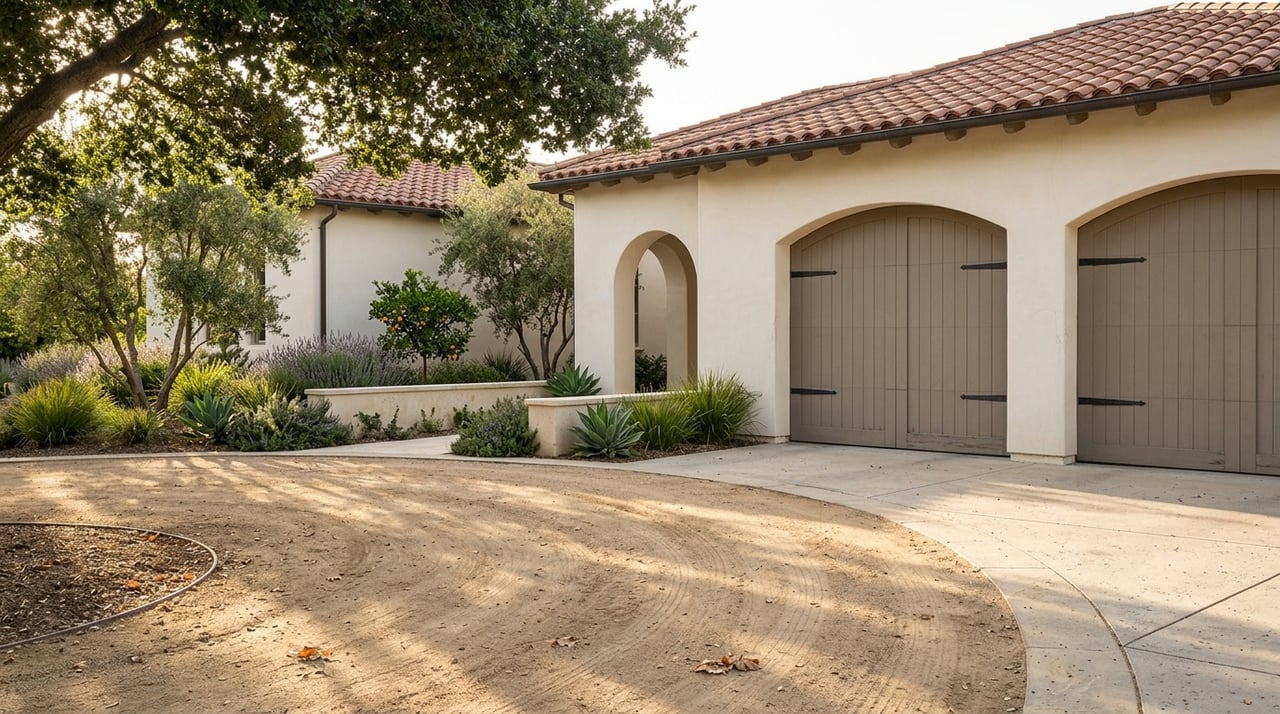
The City’s planning framework is focused on preserving vineyards, agriculture, and rural character. Residential development is limited to Rural and Very Low Density uses that are compatible with winery and agricultural activity. In practical terms, that means life here often feels more open, more scenic, and less suburban than neighborhoods closer to Temecula’s main shopping and service hubs.
You will also notice that the main wine-country corridors, including Rancho California Road, Anza Road, and De Portola Road, support that spread-out feel. Homes are not arranged like typical tract developments, and daily routines often involve a short drive for errands, dining, and appointments. For many buyers, that trade-off is exactly the appeal.
What Buyers Usually Find Here
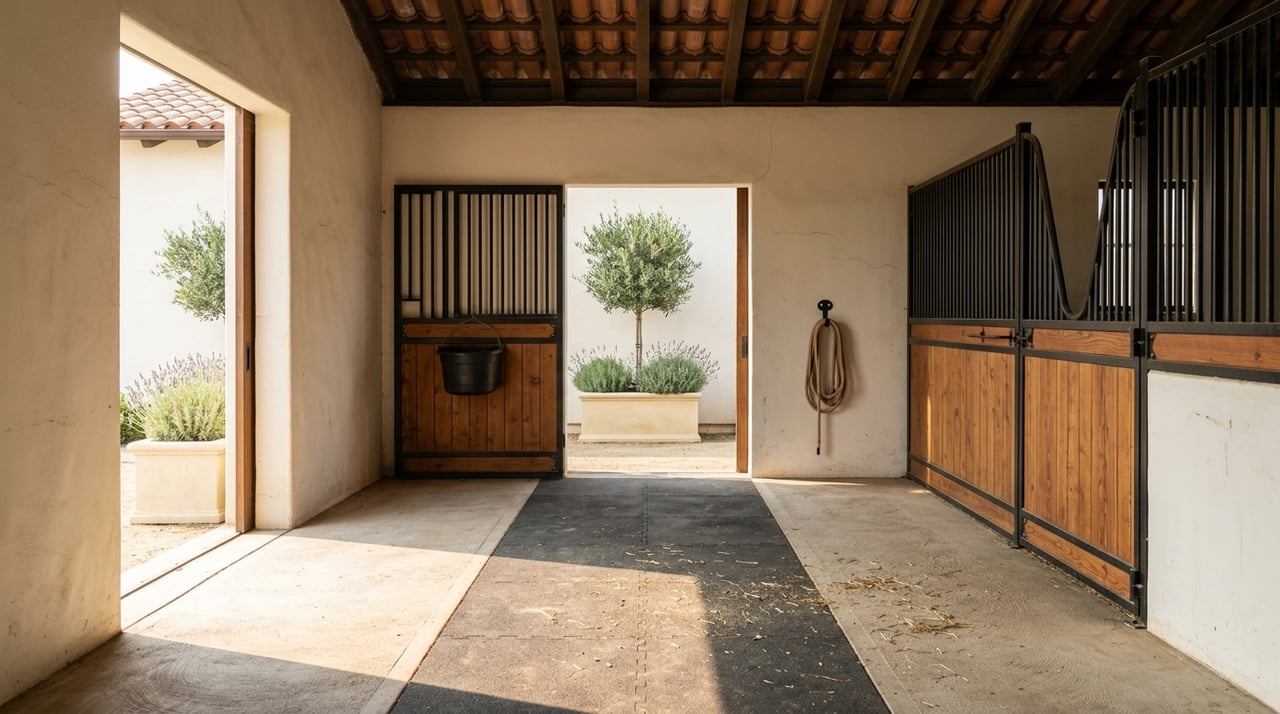
If you are expecting standard suburban subdivisions, Temecula Wine Country may feel very different from other parts of the city. The General Plan defines Rural Residential as very low density housing with a minimum lot size of 5 acres and one dwelling unit per lot. It also notes that these areas are intended to be compatible with light agriculture, vineyards, horses, and other animals.
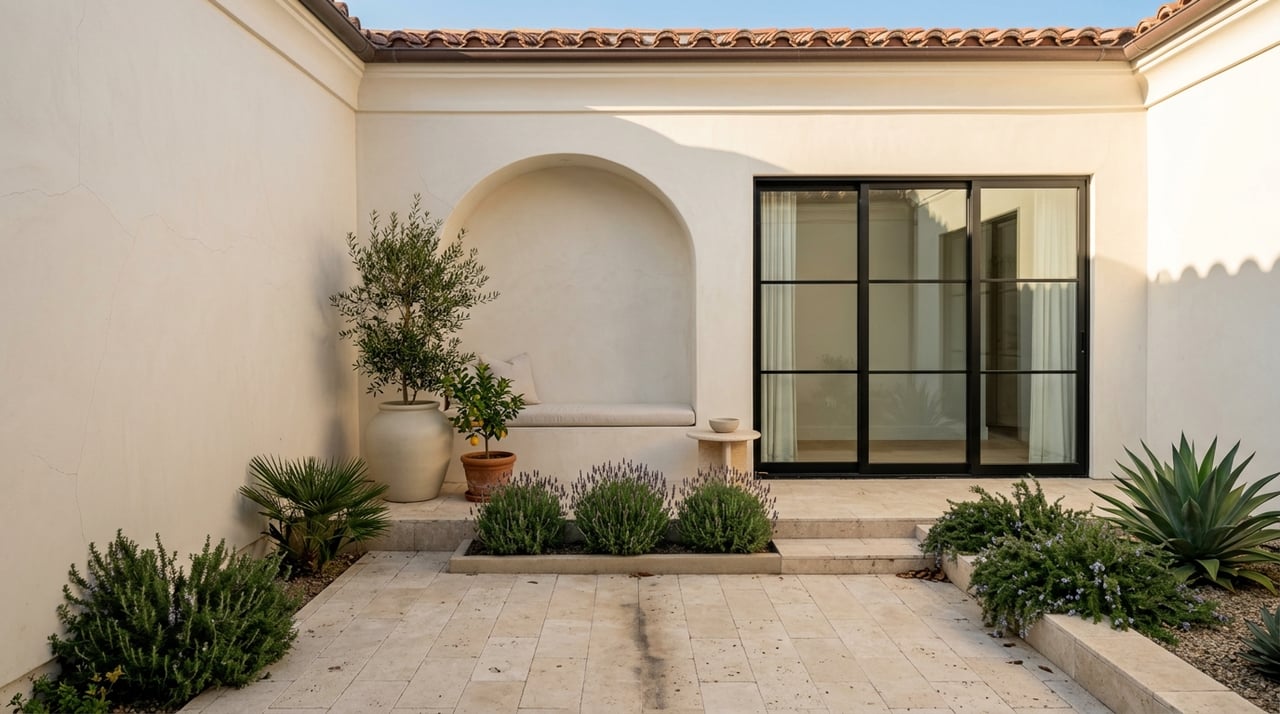
Very Low Density Residential typically uses lots of about 2.5 acres. Because of that, buyers often encounter custom homes, acreage properties, horse properties, vineyard-adjacent parcels, and homes designed for a long-term lifestyle choice rather than a quick move. The setting tends to attract people who want space, privacy, and flexibility in how they use their land.
This also means each property can come with its own questions. Access, utilities, parcel boundaries, and allowed uses may vary more than they would in a newer subdivision. If you are comparing homes in Wine Country, it is smart to look beyond square footage and focus on how the land itself supports your plans.
City Limits and County Rules Matter
One detail many buyers miss is that parts of the rural preservation area are outside Temecula’s current city boundary and fall under Riverside County jurisdiction. That can affect zoning, permits, and service rules. You should confirm early whether a property is inside Temecula city limits or in unincorporated county territory.
That distinction matters because assumptions can get expensive. A buyer may see a home in the greater Wine Country area and assume the same local rules apply across the board, but that is not always the case. Getting clarity up front can save time and help you avoid surprises during escrow.
ADUs and Short-Term Rental Limits
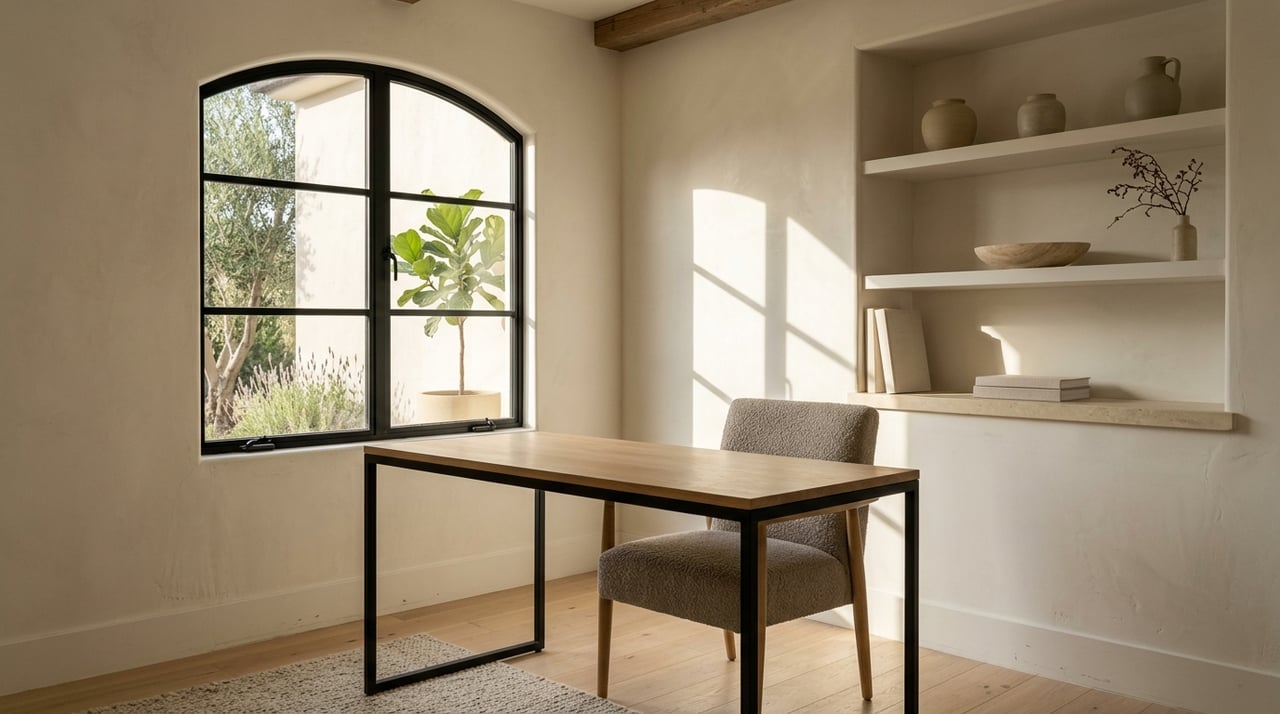
For buyers who want extra flexibility, accessory dwelling units can be part of the conversation. Temecula allows ADUs and JADUs, which may be useful if you are thinking about multigenerational living, guest space, or a private work area. That can be a valuable feature on larger parcels.
There is also an important limit to know. Temecula states that short-term rentals are not allowed, including in ADUs and JADUs. If part of your plan involves weekend-rental income, this is a key reality check before you start narrowing down properties.
Everyday Life Beyond the Vineyards
One of the biggest questions buyers ask is simple: what does daily living look like when you are not at a winery? For many residents, Old Town Temecula serves as a practical anchor. The City describes it as the historic core, with historic buildings, antique dealers, unique shopping, restaurants, a Saturday farmers market, and recurring events throughout the year.
That makes Old Town useful in two ways. It offers everyday options for dining and local shopping, and it also gives the area a strong community rhythm through regular events. If you enjoy living near an active downtown without being in the middle of dense development, this can be a nice balance.
Promenade Temecula adds another layer of convenience. It offers a more traditional retail and dining experience, which is especially helpful for buyers who want rural surroundings at home but still want easy access to errands and familiar shopping choices. In many ways, that combination is what makes Wine Country livable year-round.
Services and Transit Are Centered in Town
Wine Country living comes with a quieter setting, but that also means public services and transit are concentrated elsewhere. The City says RTA serves Temecula and nearby Riverside County routes, with stops that include Temecula Library, County Center, Promenade Mall, and a connection to Corona Transit Center. A free trolley also links Harveston and the mall area on weekdays.
For most Wine Country residents, driving remains the practical choice for day-to-day movement. If you are used to having stores, services, and transit nearby, this area may feel less convenient than a master-planned suburban neighborhood. If you prefer open land and do not mind a few extra minutes in the car, the lifestyle may feel well worth it.
Recreation Goes Far Beyond Tasting Rooms
The lifestyle story here is much bigger than wine tasting. Temecula’s tourism information highlights golf, hot-air ballooning, Santa Rosa Plateau Wildlife Preserve, Lake Skinner, boating, fishing, hiking, bicycling, and equestrian experiences. That gives the area broad appeal for buyers who want an outdoor-oriented routine.
This variety also changes how you experience the area throughout the year. Some weekends may feel lively because of visitors, festivals, and destination traffic. At the same time, residents have access to a wide mix of recreation that extends well beyond the vineyard setting.
If you are looking for a home that supports hobbies, outdoor space, and scenic drives, Wine Country offers that in a way many suburban neighborhoods cannot. The key is knowing that this is a lifestyle purchase as much as a housing decision.
Events Shape the Local Rhythm
Temecula’s event calendar adds another layer to life in and around Wine Country. The area hosts seasonal and recurring events such as Temecula Valley Wine Month, the Balloon & Wine Festival, food-and-wine festivals, holiday events, and the Saturday farmers market in Old Town. These events can make the community feel active and connected.
For some buyers, that energy is a major plus. For others, it is helpful to understand that living near a regional destination can mean periods of added traffic and visitor activity. Neither is inherently good or bad, but it is worth factoring into your lifestyle expectations.
Commute and Regional Access
Temecula’s location is part of its draw. The City says Wine Country is less than 60 miles north of San Diego and about 90 miles southeast of Los Angeles. The I-15 corridor remains the main regional mobility route, and current northbound I-15 Smart Freeway work in the area is intended to improve traffic flow between Temecula and the I-15/I-215 interchange in Murrieta.
If you need regional access, that matters. Even if your home feels tucked away and rural, you are still connected to larger job centers and destinations through the freeway network. Commute realities will depend on your schedule and route, but the location continues to appeal to buyers who want open space without giving up Southern California access.
Price Expectations in Wine Country
One of the most important mindset shifts for buyers is understanding that Temecula pricing can vary widely. Realtor.com’s March 2026 data showed a median listing price of $842,500 in 92592, while 92590 was at $2.22 million. The same report described 92592 as a balanced market and 92590 as a buyer’s market with a much longer median days on market.
That spread helps explain why Wine Country shopping can feel very different from searching in a more typical suburban price band. Acreage, views, and rural character can push values well above what buyers may expect elsewhere in Temecula. If you are entering this market, it helps to define whether your priority is land, house size, flexibility of use, or overall budget, because trade-offs can be significant.
Who Wine Country Living Fits Best
Temecula Wine Country can be a great fit if you want space, scenery, and a slower daily pace. It may also work well if you are looking for custom construction, larger lots, equestrian potential, or room for multigenerational living. Buyers who value privacy and do not mind driving for services often find the setting rewarding.
It may be less ideal if your top priority is quick access to everyday retail, dense neighborhood amenities, or a highly walkable routine. This is not the same experience as living in a newer suburban development with nearby shopping and tightly clustered homes. The better your expectations match the setting, the happier you are likely to be with your purchase.
Final Thoughts on Wine Country Living
Buying in Temecula Wine Country is not just about finding a beautiful home near vineyards. It is about choosing a rural lifestyle with distinct land-use rules, larger parcels, and a different rhythm of daily life. When you understand the balance between space and convenience, you can shop with more confidence and avoid costly assumptions.
If you want help comparing acreage properties, understanding location-specific differences, or narrowing your search based on lifestyle and budget, working with a local agent can make the process much more efficient. When you are ready to explore Temecula with a clear strategy, connect with Lisa Costa.
FAQs
What is Temecula Wine Country like for full-time living?
- Temecula Wine Country offers a more rural, scenic, and spread-out lifestyle than suburban Temecula, with larger lots, agricultural compatibility, and more driving for errands and services.
What types of homes are common in Temecula Wine Country?
- Buyers often find custom homes, acreage properties, horse properties, vineyard-adjacent parcels, and large-lot residential homes rather than standard tract housing.
Are all Temecula Wine Country properties inside Temecula city limits?
- No. Some properties in the broader Wine Country area are outside the current city boundary and are under Riverside County jurisdiction, which can affect zoning, permits, and services.
Can you use an ADU as a short-term rental in Temecula?
- No. Temecula states that short-term rentals are not allowed, including in ADUs and JADUs.
Where do Temecula Wine Country residents go for shopping and dining?
- Many residents use Old Town Temecula for restaurants, shopping, and community events, while Promenade Temecula provides more traditional retail and dining options.
Is Temecula Wine Country only about wineries?
- No. The area also offers access to golf, hot-air ballooning, hiking, bicycling, equestrian activities, Lake Skinner, Santa Rosa Plateau Wildlife Preserve, and seasonal community events.