Thinking about trading coastal prices for more space and mountain views? If you are weighing a move to Corona, you are not alone. Many buyers love the balance of suburban comfort, outdoor access, and value compared to nearby Orange County and Los Angeles. In this guide, you will learn how Corona lives day to day, from neighborhoods and prices to parks, schools, and commute tips, so you can decide if it fits your goals. Let’s dive in.
Corona at a glance
Corona is a mid‑sized Inland Empire city with a small‑town vibe and a growing population. The city’s estimated population is about 161,540 as of July 1, 2024, and the median household income is roughly $109,242, according to Census QuickFacts. You will also see a mean commute time of about 34.3 minutes based on the same dataset. These figures help you compare Corona to nearby markets as you plan your move. Census QuickFacts for Corona
Location matters too. Corona sits at the junction of I‑15 and SR‑91, about 48 miles southeast of downtown Los Angeles. That puts you close enough for regional job centers, with a more relaxed, suburban feel at home. Corona location overview
Neighborhoods and homes
Eagle Glen and Dos Lagos
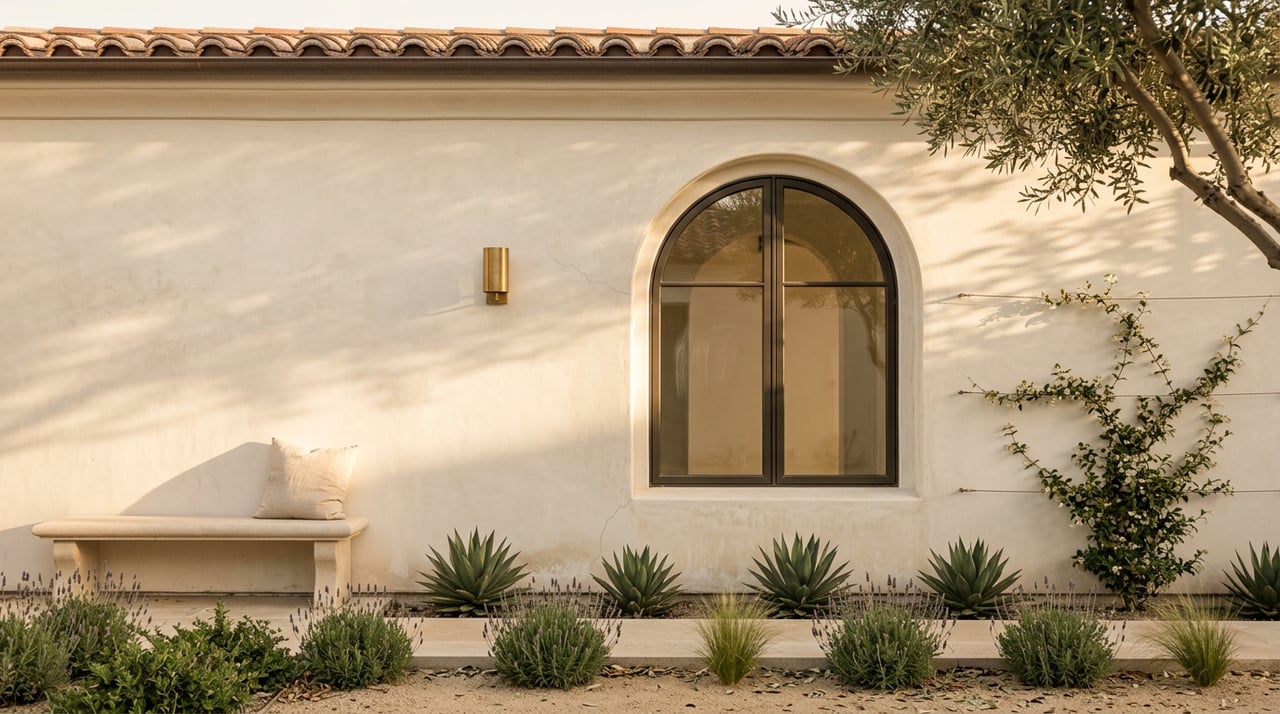
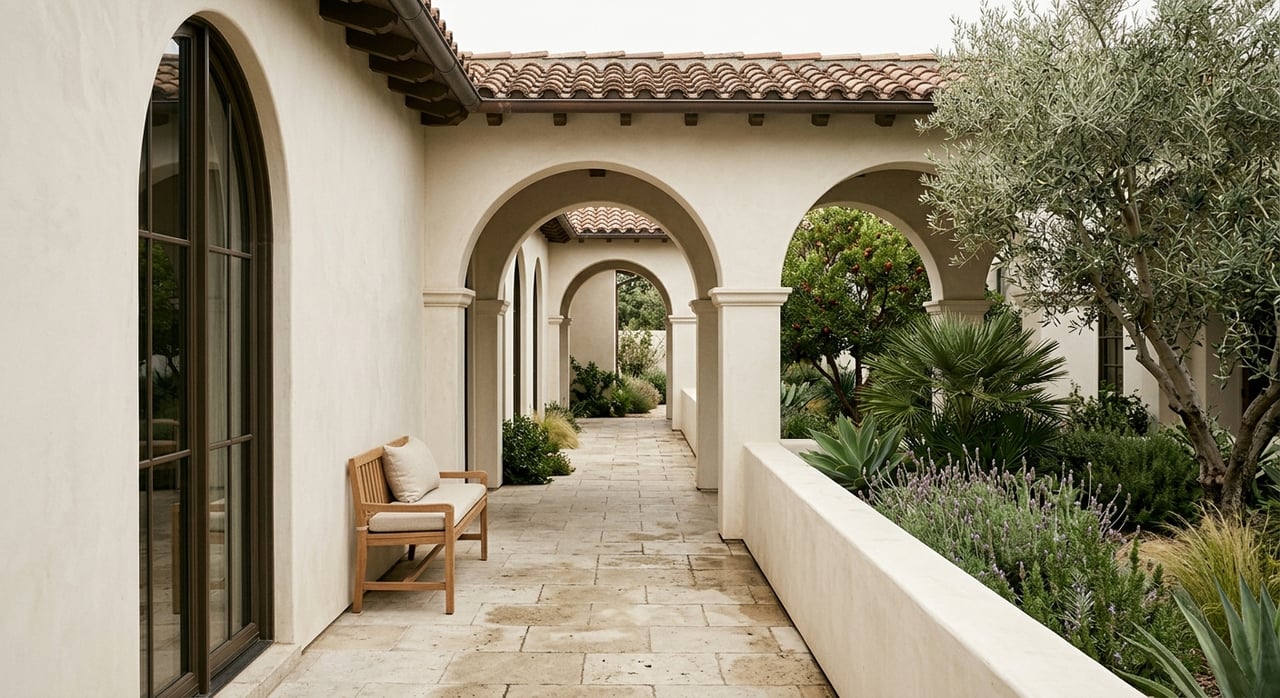
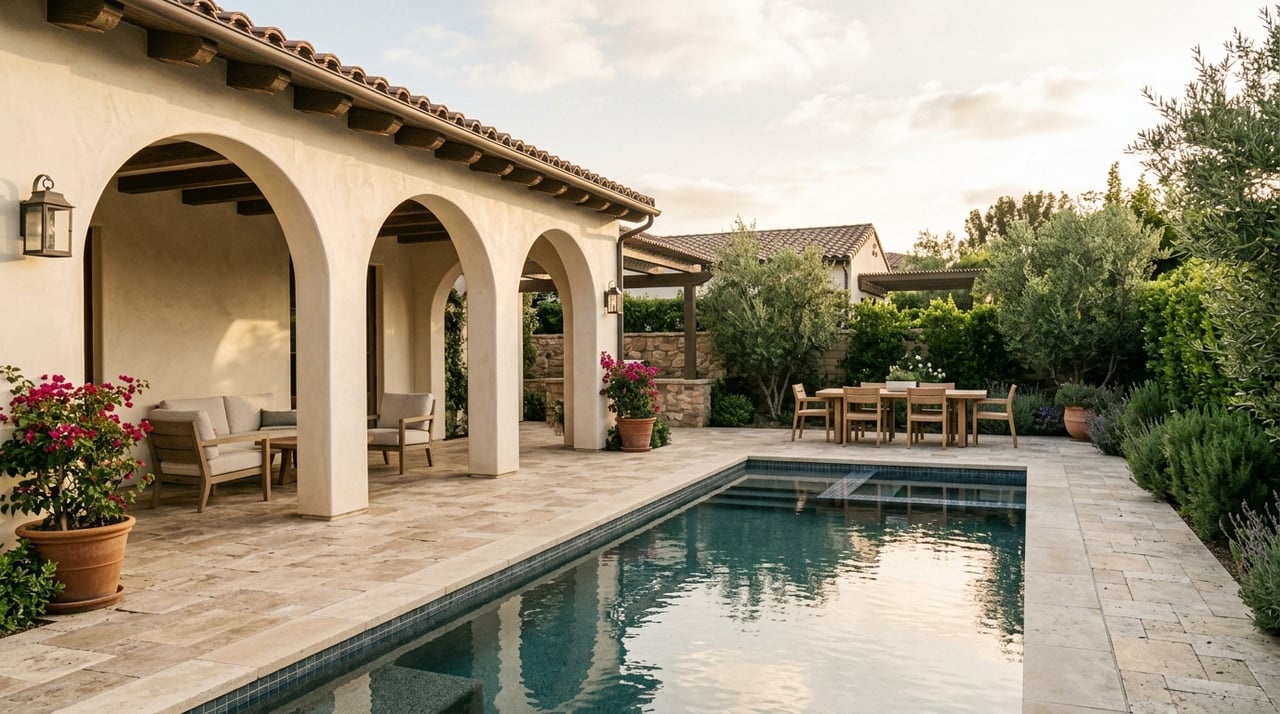
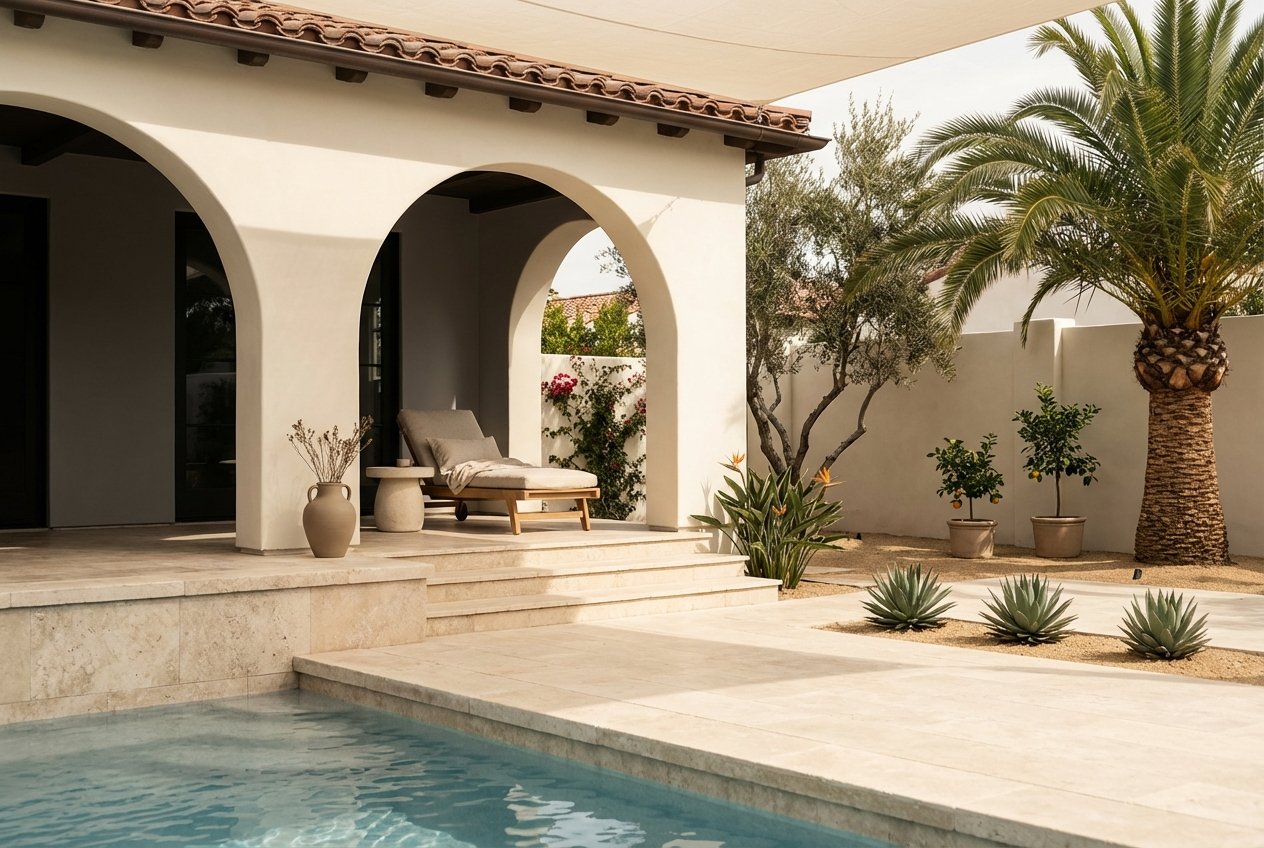
South and southeast Corona offer master‑planned neighborhoods with golf course proximity, hillside views, and easy shopping. You will find Spanish and Mediterranean‑style homes with stucco exteriors and tile roofs, plus community parks and nearby retail at The Shops at Dos Lagos and The Crossings at Corona. Prices here often run from the mid six figures into seven figures depending on lot size and upgrades.
Downtown Circle City
Historic Grand Boulevard forms Corona’s “Circle City” core. If you like established blocks, character homes, and a walkable downtown with local shops and seasonal events, start your search here. Housing ranges from older single‑story homes to compact lots that keep yard work simple.
Trilogy at Glen Ivy (55+)
If you are after low‑maintenance, amenity‑rich living, Trilogy at Glen Ivy is a popular 55+ option. Expect resort features like pools, clubhouse spaces, and golf access. This community appeals to downsizers who want an active, social lifestyle without sacrificing comfort. Explore Trilogy at Glen Ivy
Temescal Valley and foothills
Newer tracts and hillside pockets south of the 91 offer larger lots, scenic backdrops, and quick access to open space. If you want more room and a newer build, this area is worth a look.
Common home styles
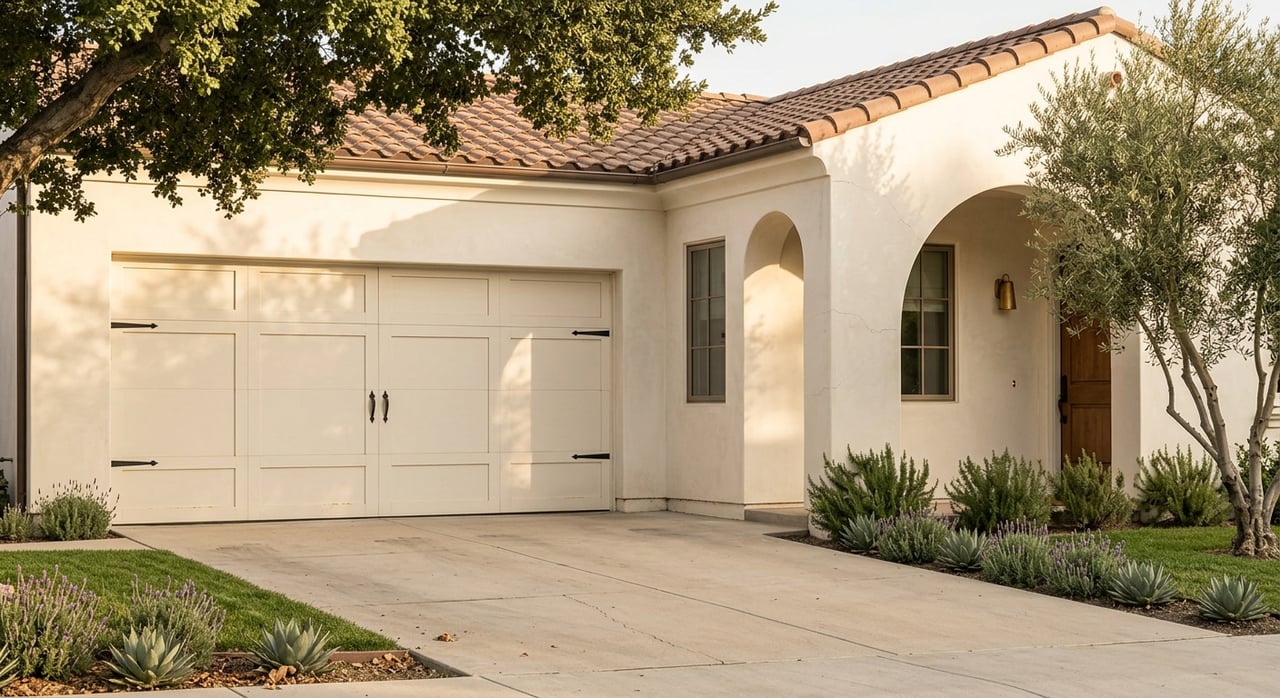
Most homes in Corona are single‑family detached properties with two‑story suburban plans and a Spanish or Mediterranean influence. You will also find single‑level ranch homes in older neighborhoods, plus townhomes and condos near shopping corridors. Active‑adult options include attached and detached homes in gated 55+ communities.
Cost of living and 2026 prices
Corona often gives you more house for the dollar than many coastal Orange County and Los Angeles neighborhoods. Recent market snapshots show typical home values in the range of about $740,000 to $760,000 in early 2026. For context, the Census 2020–2024 window estimates the median value of owner‑occupied housing units at roughly $700,700, and the city’s median household income sits near $109,000. Rents track near the mid‑$2,700s based on Zillow’s rent index in January 2026. Keep in mind that month‑to‑month mortgage rates and inventory can move prices, so always verify live data before you write an offer.
Here are two simple scenarios to frame your budget:
- A three‑bedroom single‑family home in a family‑oriented tract could price around the city’s recent median, with premiums for views, upgrades, or golf adjacency.
- A two‑bedroom apartment or townhome near shopping corridors will often run below a detached home on a monthly basis, but finishes, amenities, and parking will push rent up or down.
For the most accurate picture, pair current listings with a local market analysis that dates the data source. Cite metrics like “Redfin median sale price, Jan 2026” or “Zillow ZHVI, Jan 2026” in your notes when comparing neighborhoods.
Parks, trails, and weekend fun
If you value outdoor time, Corona makes it easy. The city has an active parks and trails program and a 2024 Parks and Recreation Master Plan that focuses on better trail connections and neighborhood access. You will find community parks, sports fields, and local trailheads that link to the Santa Ana Mountains. Corona parks and trails overview
For a relaxing day, Glen Ivy Hot Springs is a regional favorite for spa pools and sunshine. Hikers and cyclists enjoy the Santa Ana River Trail segments near Prado Basin, and the Cleveland National Forest offers quick escapes into the foothills for views and fresh air. Families often make a day of it at Tom’s Farms for food, shops, and seasonal events. Glen Ivy Hot Springs visit ideas
Shopping and dining
You can mix big‑box convenience with local charm. The Shops at Dos Lagos and The Crossings at Corona offer outdoor retail, restaurants, and a movie theater. Downtown Corona keeps the small‑business energy going with boutiques, antiques, farmers markets, parades, and classic car shows during the year. That variety lets you do a casual date night by the lake at Dos Lagos, then spend a Saturday morning strolling the Circle.
Commute and transit
Most residents drive, and your commute will likely involve I‑15 or SR‑91. Corona is about 48 miles from downtown Los Angeles, which is helpful distance context, and the average commute across the city is about 34.3 minutes. Peak traffic on the 91 and I‑15 can add time, so check live drive times when you plan your day. Corona location overview | Census QuickFacts
Commuter rail helps some households. Metrolink serves Corona on the Inland Empire–Orange County and 91/Perris Valley lines, which can make select trips to Orange County or Los Angeles more manageable. Local bus options include Riverside Transit Agency routes and the Corona Cruiser circulator. Riverside Transit Agency system map
Schools, health care, and services
Public schools are primarily part of the Corona‑Norco Unified School District, one of the largest in Riverside County. If schools factor into your move, review boundary maps and school‑level details on the district site to match your neighborhood and needs. Corona‑Norco Unified School District
For health care, you have local hospital and emergency services at Corona Regional Medical Center, with additional specialty care available in nearby Riverside and Ontario.
On public safety, crime varies by area and year. It is best to review official reports and neighborhood‑level maps for the streets you are considering. Multi‑year snapshots can help you see trends in violent and property crime. Corona crime overview
Who chooses Corona
Many buyers choose Corona for practical, lifestyle‑forward reasons:
- More space and newer homes for the price compared to many Orange County or Los Angeles neighborhoods.
- Family‑oriented tracts, active parks and programs, and clear 55+ options like Trilogy for downsizers. Explore Trilogy at Glen Ivy
- Easy access to trails, foothills, and regional destinations for weekends outdoors.
Tradeoffs to consider:
- Peak‑hour commutes to coastal job centers can be long. If you work hybrid or locally, that matters.
- Nightlife and urban buzz are lighter than larger coastal cities. You will find events and dining, but the vibe stays suburban.
Is Corona right for you?
If you want a comfortable suburban home base with strong value, outdoor access, and a mix of newer tracts and character neighborhoods, Corona deserves a close look. The right fit comes down to your commute, budget, and lifestyle. When you are ready to compare neighborhoods, tour homes, or review live market data, reach out to Lisa Costa for local guidance and a clear plan.
FAQs
Is Corona, CA affordable compared to OC/LA in 2026?
- Typical home values hover around $740,000 to $760,000 in early 2026, with a Census owner‑occupied median near $700,700 and a median household income around $109,000; your value improves versus many coastal areas but varies by neighborhood and features.
What is the commute from Corona to Los Angeles or Orange County?
- Corona is about 48 miles from downtown Los Angeles, the citywide mean commute is about 34.3 minutes, and peak traffic on SR‑91 and I‑15 can add significant time, so check live conditions when planning.
What types of homes are common in Corona?
- You will mostly find single‑family detached homes with Spanish or Mediterranean styles, plus townhomes and condos near shopping corridors and 55+ options like Trilogy at Glen Ivy.
How are the public schools in Corona?
- Corona is served primarily by Corona‑Norco Unified School District; review district resources and boundary maps to match schools to a specific neighborhood and your priorities. CNUSD district overview
Is Corona safe?
- Safety varies by neighborhood and metric; review official police reports and multi‑year dashboards, and use neighborhood‑level crime mapping for the exact area you are considering. Crime snapshot for Corona
What public transit options serve Corona?
- Metrolink runs on the Inland Empire–Orange County and 91/Perris Valley lines, and local service includes Riverside Transit Agency routes and the Corona Cruiser; many households still rely on cars for daily trips. RTA system map