If your home does not make a strong impression online, many buyers may never make it to the front door. That matters in Corona, where buyers can be local, relocating from nearby parts of Southern California, or comparing homes across multiple cities before they ever schedule a showing. The good news is that you do not need a perfect house to stand out online. You need a smart plan that helps buyers quickly understand the home, picture themselves in it, and feel motivated to see it in person. Let’s dive in.
Treat your listing like the first showing
For today’s sellers, the online listing is often the first real showing. Zillow’s 2024 Housing Trends Report found that 94% of buyers used at least one online shopping resource, and NAR found that 52% of buyers located the home they purchased through the internet.
That is especially important in a city like Corona. The City of Corona describes the community as a major Southern California hub at the junction of the 91 and 15 freeways, with more than 160,000 residents and a large share of young, well-educated families. In practical terms, that means your home may need to catch the attention of both nearby buyers and people searching from outside the area.
Your online presentation should do two things well. First, it should create a strong first impression. Second, it should make the home feel clear, honest, and easy to understand so buyers want to book a visit.
Start with the prep that matters most
Before photos, video, or the MLS launch, focus on the basics that improve how your home looks and feels. According to NAR’s 2025 Profile of Home Staging, the most common agent recommendations are decluttering, cleaning the entire home, and improving curb appeal.
That is good news if you are trying to prepare without overcomplicating the process. In many cases, the highest-value improvements are simple, visible, and practical. A clean, organized home usually performs better online than a home with stylish photos but distracting mess or deferred upkeep.
Declutter first
Decluttering is often the fastest way to improve listing photos. It helps rooms look larger, brighter, and easier to understand on a screen.
Focus on removing anything that makes the space feel crowded or overly personal. Clear kitchen counters, reduce items on bathroom vanities, tidy open shelving, and simplify furniture layouts so each room has a clear purpose.
Deep clean every space
A full clean matters because the camera notices details buyers may miss in daily life. Smudged windows, dusty ceiling fans, stained grout, and cluttered baseboards can all make a home feel less cared for.
Clean with photos in mind. Windows, floors, mirrors, kitchen surfaces, bathrooms, and entry areas tend to have the biggest visual impact.
Refresh curb appeal
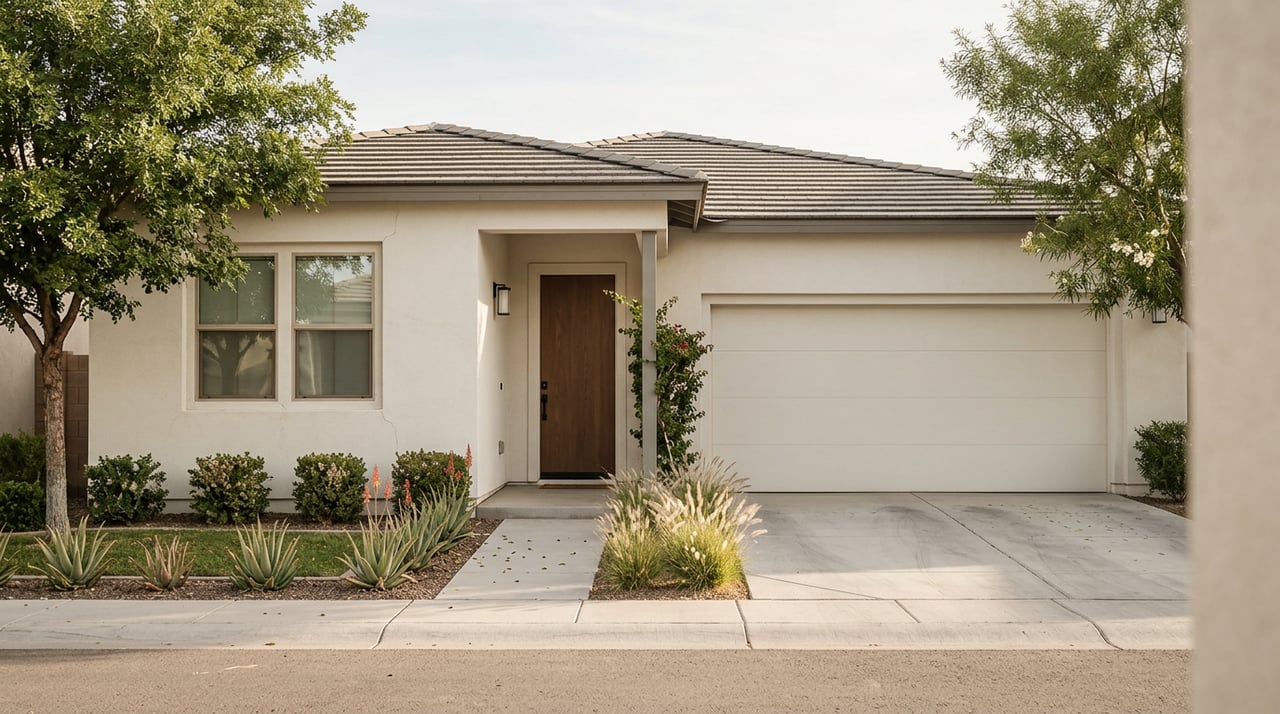
Your first online image is often the exterior photo. If that image does not invite buyers in, they may scroll past the listing.
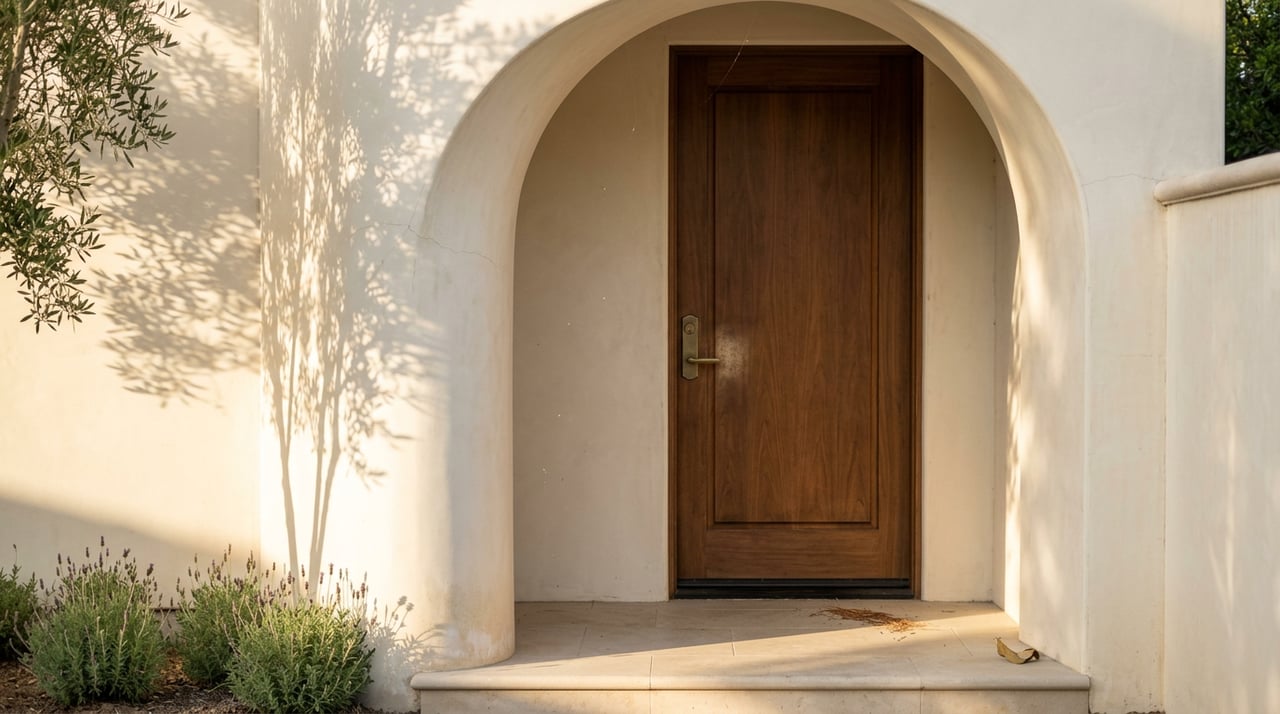
Simple curb appeal updates can help a lot. Sweep walkways, trim landscaping, put away hoses and bins, and make sure the front door area looks neat and welcoming.
Stage the rooms buyers notice most
You do not always need full-service staging to improve your online presentation. NAR found that buyers’ agents identified the living room, primary bedroom, and kitchen as the most important rooms to stage.
If you are deciding where to spend time and money, start there. Those rooms help buyers understand how the home lives day to day, and they often carry the most weight in photos.
Focus on the living room
The living room is often where buyers judge the overall feel of the home. It should look open, comfortable, and easy to use.
Pull furniture away from walls if needed, remove extra chairs or side tables, and create a clean focal point. You want buyers to understand the size of the room and how it connects to the rest of the home.
Simplify the primary bedroom
A calm primary bedroom photographs well and helps buyers imagine a move-in-ready space. Keep bedding simple, clear off dressers and nightstands, and remove excess furniture if the room feels tight.
The goal is not to make the room look dramatic. The goal is to make it feel restful, functional, and spacious.
Keep the kitchen clean and clear
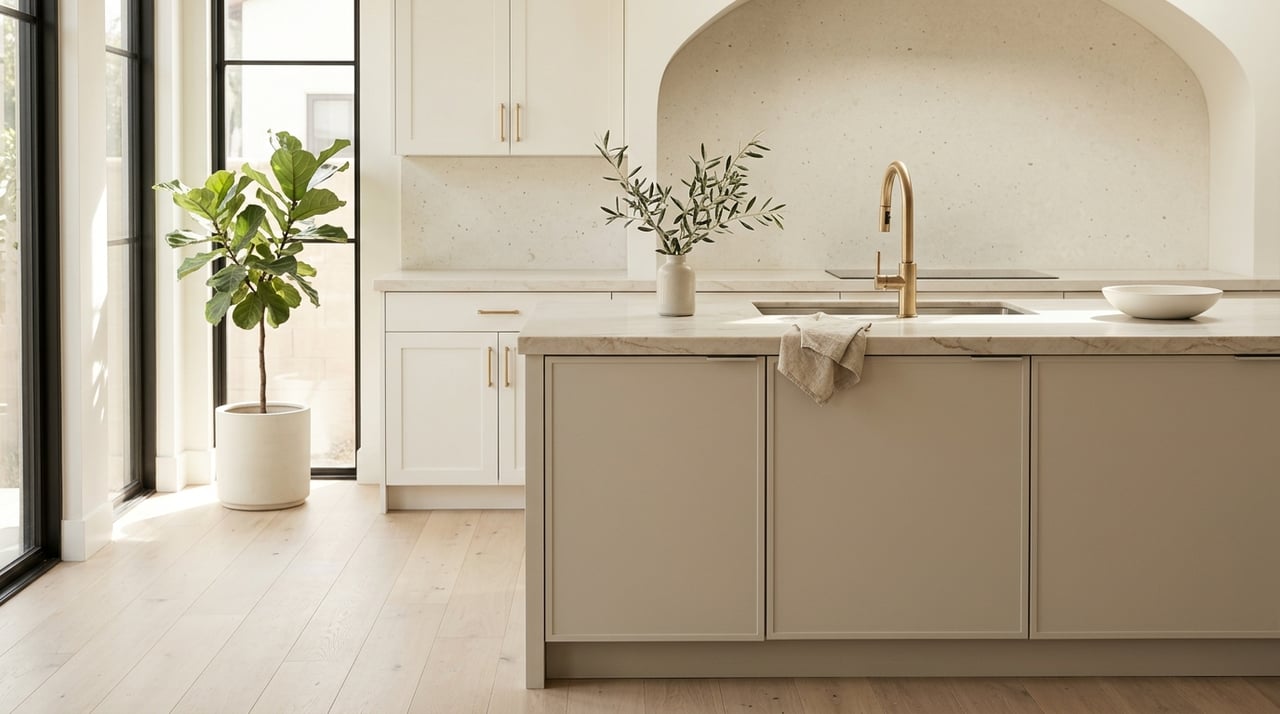
Kitchens carry a lot of visual weight in online listings. Even if your kitchen is not newly updated, a clean and uncluttered presentation can still make a strong impression.
Store small appliances, clear paperwork, and remove anything that competes for attention. Buyers should be able to quickly see the counters, cabinetry, and layout.
Be polished, but stay honest
It can be tempting to over-edit listing photos or lean too hard on virtual presentation. That usually backfires. NAR reported that many buyers expect homes to look like they were staged for television, and many are disappointed when homes do not match those expectations in person.
That is why the best online presentation is polished but realistic. Your photos should highlight the home’s strengths without creating a gap between the screen and the actual showing.
If the home needs work, do not assume photos do not matter. They still matter a great deal. Strong photos can show the layout, natural light, lot, and potential, especially when the home is clean and the most visible distractions have been addressed.
Use photos and video to tell a clear story
NAR data shows buyers’ agents place high value on photos, traditional staging, videos, and virtual tours. Among those tools, photos remain the most important part of the online presentation.
That means your listing media should do more than just look attractive. It should help buyers understand the home quickly and in the right order.
Make the layout easy to follow
Zillow found that 77% of buyers said a dynamic floor plan showing what each photo depicts would help them decide whether a home is right for them. Even when a floor plan is not the main feature, the idea is still useful.
Your photos should be arranged in a sequence that makes sense. Buyers should be able to move from exterior to main living spaces to kitchen to bedrooms to baths to outdoor areas without feeling confused about how the home fits together.
Show function, not just finishes
In Corona, practical daily living matters. The city’s local profile points to a large workforce, more than 42,000 jobs, and many households balancing work, family schedules, and commuting.
That is why online buyers often respond well to homes that feel functional and move-in ready. Clean entry areas, organized living spaces, comfortable bedrooms, and usable outdoor areas can be just as important as decorative details.
Remember that video supports photos
Video and virtual tours can increase interest, but they do not replace the core listing package. Think of video as a supporting tool that helps buyers get a better feel for flow and scale.
It works best when the home is already prepared for still photography. If the rooms are cluttered or unfinished, video will usually make those issues more obvious, not less.
Know what virtual tours can and cannot do
Virtual tours can be helpful, especially for buyers starting their search online. They can save time, narrow interest, and encourage serious buyers to take the next step.
Still, they are not the finish line. Zillow found that only 49% of buyers were at least somewhat confident making an offer after a 360° tour without seeing the home in person, and NAR found that only 4% of buyers made an offer without anyone on the buying side seeing the home first.
That means your digital strategy should aim to generate real-world showings. The goal is not to replace the in-person experience. The goal is to make buyers feel interested enough and confident enough to schedule it.
Prep everything before you go live
One of the biggest mistakes sellers make is launching before the home is fully ready. Once your home hits the MLS and major search sites, your first round of buyer reactions starts immediately.
NAR’s 2024 data shows the MLS website was the leading marketing channel, followed by yard signs, open houses, major real estate portals, agent websites, and company websites. In other words, your photos, staging, and listing details should be complete before the home goes live.
Use a clear launch sequence
A smart pre-listing sequence can keep you from doing work twice. It can also help your listing feel more coordinated and more competitive from day one.
A typical order looks like this:
- Walk through the home and identify visible issues.
- Declutter and remove unnecessary furniture or personal items.
- Complete a full cleaning.
- Improve curb appeal.
- Stage or lightly style the most important rooms.
- Capture professional photos and any video or virtual media.
- Finalize MLS details and launch when everything is ready.
Decide how much staging is enough
Not every Corona seller needs full-service staging. NAR reported a median cost of $1,500 for a staging service, compared with $500 when the seller’s agent handled staging themselves.
If you are trying to be practical, the right question is not whether to stage everything. The better question is where staging or light styling will create the biggest return in your specific home.
In many cases, decluttering, cleaning, correcting obvious faults, and lightly staging the living room, primary bedroom, and kitchen can go a long way. That approach keeps the presentation strong without making the process feel excessive.
Why local guidance helps
Preparing a home for online buyers involves more than tidying up. You need to decide what to fix, what to leave alone, how to sequence the work, and when to launch.
That is one reason agent guidance still matters. NAR’s 2025 buyers-and-sellers report found that 88% of buyers purchased through an agent or broker, and 91% of sellers used a real estate agent. A well-managed plan can help you focus on the updates that improve buyer response instead of spending time and money in the wrong places.
If you are getting ready to sell in Corona, the right strategy is usually simple: make the home clean, clear, and easy to understand online, then support that presentation with an organized launch. If you want help deciding what to do before photos or how to position your home for today’s digital-first buyers, Lisa Costa can help you build a smart plan that fits your property and timeline.
FAQs
How important are online listing photos for a Corona home sale?
- Online listing photos are extremely important because many buyers start their search online, and the photos often create the first impression that determines whether they schedule a showing.
How much staging does a Corona home really need before listing?
- Many homes do not need full-service staging. A strong mix of decluttering, deep cleaning, curb appeal work, and focused staging in the living room, primary bedroom, and kitchen is often enough.
Are virtual tours enough to sell a home in Corona?
- No. Virtual tours can help generate interest and narrow serious buyers, but most buyers still want to see the home in person before making an offer.
When should you prep a Corona home for online buyers?
- Prep should happen before the home goes live on the MLS and other search platforms so the photos, video, and listing details make the best possible first impression.
What should Corona sellers fix before listing online?
- Start with visible, high-impact items such as clutter, cleanliness, curb appeal, and obvious property faults that may distract buyers in photos or during showings.