Looking for the right Temecula neighborhood often comes down to one simple question: what will daily life actually feel like once you move in? If you are balancing school drop-offs, commutes, errands, playtime, and weekends that need to work for everyone, that question matters just as much as square footage or list price. The good news is that Temecula offers a suburban setup with parks, recreation, shopping, and housing options that support many kinds of routines. Let’s take a closer look at what everyday family life in Temecula neighborhoods can look like.
Why Temecula Fits Family Routines
Temecula’s overall layout supports a family-centered lifestyle. The city’s 2024 population estimate was 112,438, with 23.9% of residents under age 18 and a median age of 39.8. That data points to a community where family routines, youth activities, and neighborhood amenities play a big role in daily life.
Housing patterns also shape how the city feels from day to day. Temecula has 39,835 housing units, and 72.0% are single-family detached homes. With 63.1% owner occupancy and a low 2.6% overcrowding rate, the city has a more suburban housing pattern than a dense multifamily core.
For you as a buyer, that often means more emphasis on private outdoor space, neighborhood parks, and how close you are to everyday conveniences. In many parts of Temecula, lifestyle comes from the way homes, parks, schools, and shopping areas connect to each other.
School Access Shapes Home Searches
For many households, school access is one of the biggest drivers in choosing where to live. Temecula Valley Unified School District serves about 28,468 students across 33 schools and covers 213 square miles. That large footprint means school boundaries can affect which neighborhoods you focus on during your search.
The district also reports more than 60 home languages and ongoing efforts to expand career and technical education and extracurricular programs. District materials also note two Apple Distinguished Schools. For families, that can make after-school opportunities and program access just as important as commute time or home style.
When you compare neighborhoods, it helps to think beyond the house itself. You may want to consider how a location supports your morning drive, after-school pickup routine, and access to activities that matter to your household.
Commutes Matter More Than You Think
In Temecula, commuting is a major part of daily life. The city reports an average commute of 37.8 minutes, with 54.4% of workers employed in another city and 27.2% working in another county. That means many residents build their home search around travel time and freeway access.
If you commute regularly, a neighborhood’s location relative to major routes can shape your whole weekday rhythm. A home that looks perfect on paper may feel very different if school drop-off, work travel, and errands all stack into the same traffic pattern.
The city also points residents to transportation resources like RTA bus service, Metrolink, and Amtrak. On the road side, Temecula is actively improving freeway access through the I-15/French Valley Parkway project, and Caltrans says auxiliary lanes and ramp improvements between Rancho California Road and Winchester Road are expected to be completed by summer 2026.
Local Transportation Helps Daily Errands
While most people think first about freeway commuting, local mobility matters too. Temecula’s free Harveston-Mall trolley is a good example of how neighborhood access can support daily life. Route 55 runs on weekdays from Harveston to Promenade Temecula, stops every 15 minutes, and connects with schools and the County Center business district.
For some households, that kind of option can make errands, student transportation, or after-school logistics a little easier. Even if you do most trips by car, having nearby services and transit connections can add convenience to your week.
Parks Anchor Neighborhood Life
In Temecula, parks are not just bonus amenities. They are a big part of how neighborhoods function. The city’s recreation system includes sports parks, tennis courts, outdoor basketball courts, roller hockey rinks, aquatics, tournaments, youth sports, museums, theater, and citywide events.
That variety gives families a lot of ways to build routines close to home. Some neighborhoods feel especially connected to nearby play areas, sports fields, or community recreation spaces, which can make a difference if you want easy outdoor options after school or on weekends.
The city’s Park Adventures resources highlight places like Harveston, Redhawk, Wolf Creek, and Ronald Reagan Sports Park. These parks commonly include playgrounds, baseball and soccer fields, picnic areas, dog parks, and recreation centers.
Ronald Reagan Sports Park Stands Out
Ronald Reagan Sports Park is one of the city’s major recreation hubs. The city describes it as a 128-acre site with ball fields, a children’s play area, picnic shelters, restrooms, and the Community Recreation Center. If your household values sports, open space, or organized activities, being near a major recreation area like this can be a meaningful lifestyle advantage.
Inclusive Play Matters Too
Temecula also offers amenities designed for a wider range of needs. The Eagle Soar Playground and Splash Pad at Michael Mike Naggar Community Park is designed as an inclusive play space for children of all abilities, and the city offers an inclusive social-skills program there seasonally. For some buyers, access to spaces like this can be an important part of narrowing down neighborhoods.
After-School Options Add Value
One of the strongest parts of family life in Temecula is the range of structured activities available outside the school day. The Ronald H. Roberts Temecula Public Library hosts family storytimes and kids’ programming, while the Kids’ Library offers baby, toddler, preschool, inclusive, and bilingual storytimes.
The library system also includes clubs like Kids Ink Writers Club and S.T.E.A.M Maker Club. These kinds of programs can give you flexible, low-pressure options for enrichment close to home.
For older kids, the CRC Teen Zone serves students in grades 6 through 12 with supervised activities like video games, crafts, dodgeball, basketball, movies, ping pong, and open gym. That adds another layer to daily life in Temecula, especially for households juggling work schedules and after-school hours.
Weekends Are Easy to Fill
Temecula makes it relatively simple to plan local weekend outings without going far. Community Services highlights destinations like the Old Town Temecula Community Theater, the Temecula Valley Museum, and Pennypickle’s Workshop Children’s Museum as part of city life.
Warm-weather recreation is also built into the local routine. Family Night at the Pool takes place at the Community Rec Center and Margarita Rec Center, giving families another recurring activity option during the season.
If you want a neighborhood that supports a stay-local lifestyle, these amenities can matter just as much as the home itself. They help turn a neighborhood from a place you sleep into a place where your week actually works.
Shopping Convenience Shapes Daily Life
Errands are part of family life, so retail access often carries more weight than buyers expect. In Temecula, Old Town Temecula serves as the historic shopping and dining district, with antique dealers, unique shopping, restaurants, a Saturday farmers market, plus the museum and theater cluster.
For more day-to-day retail convenience, the city identifies Promenade Temecula as the major mall. It also describes Temecula Parkway as a retail corridor with 1.6 million square feet of retail, more than 300 tenants, and five grocery stores.
If you are choosing between neighborhoods, access to these shopping areas can influence everything from grocery runs to dining options to how many stops you can fit into one trip. In real life, convenience adds up fast.
Neighborhood Character Often Feels Suburban
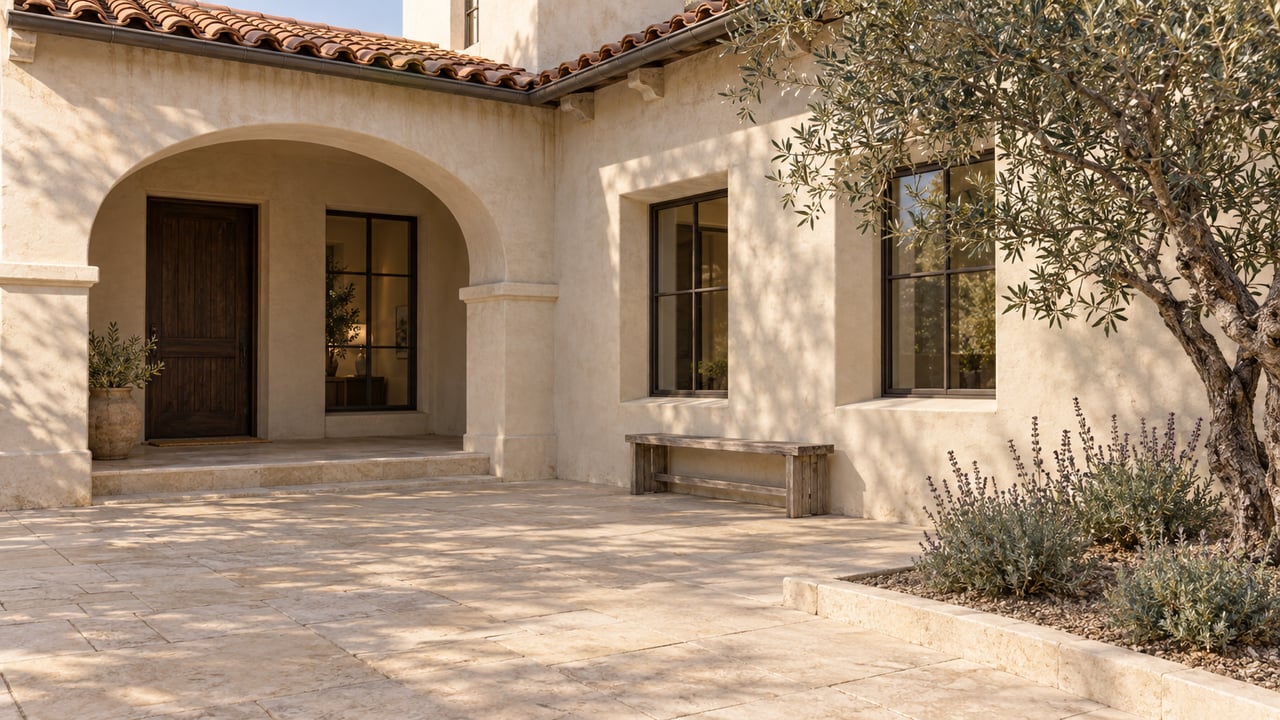
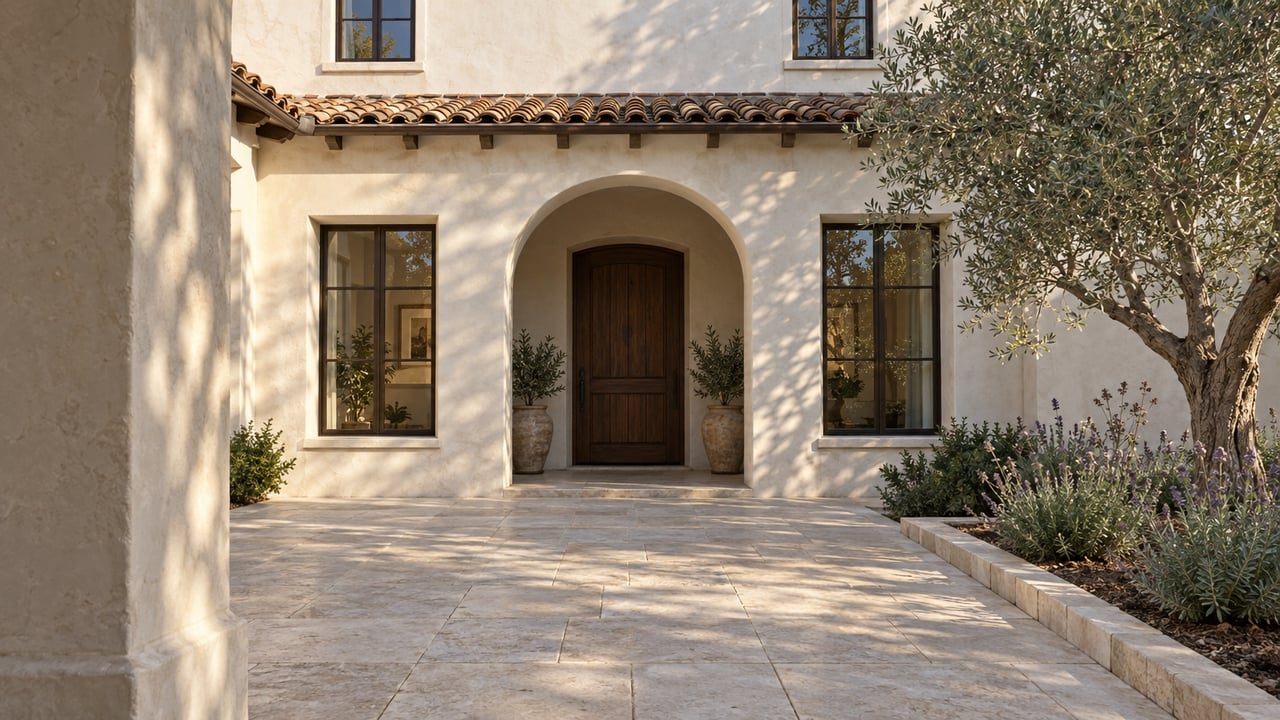
Temecula neighborhoods often get their identity from home style, amenities, and layout rather than a compact urban street grid. The city describes Harveston as a man-made-lake community with home styles reminiscent of Cape Cod architecture, along with soccer and baseball facilities, a pavilion, and an amphitheater.
That is useful because it shows how neighborhood feel in Temecula is often tied to planned amenities and visual style. When you tour homes, you may notice that two areas can offer very different daily experiences even if they are both clearly suburban.
Some buyers want a detached home with more private space. Others may prefer a lower-maintenance attached option with easier upkeep. In Temecula, that choice often connects directly to how you want your week to function, not just what type of property you like best.
What to Prioritize in Your Search
If you are trying to narrow down Temecula neighborhoods, it helps to focus on the factors that most affect daily life. Based on the city’s housing, school, commute, park, and retail patterns, a few lifestyle filters tend to matter most.
Here are some of the most useful things to compare:
- Freeway access and commute routes
- School boundaries and program access
- Distance to parks and recreation facilities
- Shopping and grocery convenience
- Detached versus lower-maintenance attached housing
- Access to libraries, teen programs, and weekend activities
When you think in terms of routines instead of only features, your search usually gets clearer. The best-fit neighborhood is often the one that supports your real schedule with the least friction.
How to Match a Neighborhood to Your Life
A smart home search in Temecula starts with your day-to-day patterns. You may want to map out where work, school, groceries, sports, and regular outings happen most often. That can help you quickly see which areas fit your household best.
It also helps to visit neighborhoods at the times you would actually use them. Morning traffic, afternoon pickup hours, and weekend park activity can tell you much more than a listing sheet alone.
If you want help sorting through Temecula neighborhoods based on commute, home style, and everyday convenience, Lisa Costa can help you focus on the areas that match your goals and move with confidence.
FAQs
What is everyday family life like in Temecula neighborhoods?
- Everyday life in Temecula often centers on suburban routines like commuting, school drop-offs, park visits, errands, youth activities, and local weekend outings.
What makes Temecula appealing for households with children?
- Temecula has a population with 23.9% of residents under age 18, a large school district, a strong park system, library programming, teen activities, and family-focused recreation options.
How important are commute times when choosing a Temecula neighborhood?
- Commute times are very important because the city reports an average commute of 37.8 minutes, and many residents work outside Temecula or outside the county.
What kinds of parks and recreation can you find in Temecula?
- Temecula offers sports parks, playgrounds, ball fields, picnic areas, aquatics, tennis courts, basketball courts, recreation centers, museums, theater, and seasonal family programs.
How do shopping areas affect daily life in Temecula?
- Shopping access matters because Old Town Temecula, Promenade Temecula, and the Temecula Parkway retail corridor can make errands, grocery trips, dining, and weekend plans more convenient.
What should you compare when searching Temecula neighborhoods?
- You should compare freeway access, school boundaries, park proximity, shopping convenience, recreation options, and the type of home maintenance that fits your lifestyle best.